5 Somatic Practices to Calm Your Nervous System (When Deep Breathing Isn't Enough)
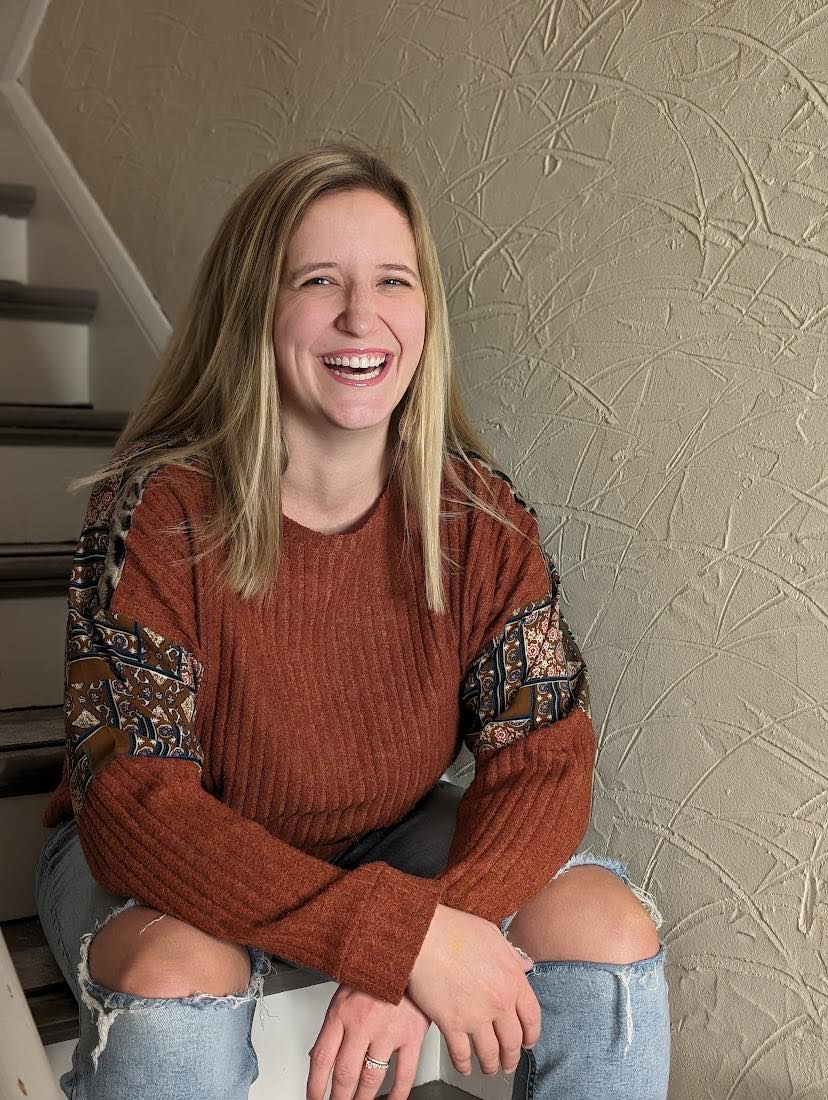

If you've ever been told to "just take a deep breath" when you're feeling anxious, overwhelmed, or stressed, you know it's not always that simple. While breathing can be incredibly powerful (hence why I love breathwork), sometimes our nervous system needs a little more support, and we also need to make sure we are breathing in a way that is supportive to our nervous system! As a licensed therapist (in the state of Minnesota) and breathwork facilitator (MN and virtually worldwide), I often work with women who feel stuck in survival mode. They're constantly thinking, doing, helping, planning, and carrying the weight of everyone around them. They know they need to slow down, but their body doesn't seem to know how. The good news? Your nervous system is always listening, and there are simple ways to help it feel safer, calmer, and more regulated.
These are 5 of my favorite, simple ways to calm your nervous system when in a state of survival, stress, or overwhelm. The beauty of these practices is that they incorporate the body and the breath, which is always with you, so you can use these anywhere, at any time.
1. Lengthen Your Exhale
One of the quickest ways to signal safety to your nervous system is to make your exhale slightly longer than your inhale.
Try:
Inhale for 4
Exhale for 6
Repeat for a few minutes.
If 4/6 doesn't feel like a good ratio, find one that feels supportive for you. Maybe it's 3:5, 4:8, 2:4, as long as the exhale is longer than the inhale you are sending a physical signal to your nervous system that it is safe. This means it gets that signal and tells the rest of your body, it's okay to calm down. False alarm, we are not being chased by a tiger. The longer exhale helps activate the parasympathetic nervous system, often called the "rest and digest" response. If you do this regularly, you can reduce levels of cortisol in the body (the stress hormone), decrease stress and anxiety, and feel more calm and peaceful in your mind and body.
2. Feel Your Feet
When we're anxious, our attention often gets pulled into the future and we are in our head, so much so that we aren't even in the present moment. It's always helpful to bring it back to the body in these moments, but my favorite part about focusing on the feet is that (they are the furthest away from the head) and they help us ground in the present moment.
A simple way to reconnect with the present is to bring awareness to your feet.
Notice:
The pressure of your feet against the floor
The temperature of the ground or the temperature of your feet. Is one colder than the other? Do they shift as you start to notice them?
The sensation of your socks or shoes
It sounds simple, but grounding through the body can help interrupt spiraling thoughts and create a sense of stability.
Another way I love bringing awareness to the feet and incorporating movement is to focus on the energy that is there (whether stressful, overwhelmed, fight-or-flight, etc.) and then to start moving your toes or your feet really fast, slowly start slowing down the movement, and as you do that visualize a sense of calm coming over your body and breath, until your feet come to a stop. This is grounding, incorporates movement to release some of that anxious energy, and it also incorporates the power of visualization. It's a win-win!
3. Shake It Out
Have you ever noticed how animals shake after a stressful experience? It's their way of releasing that energy or completing the "stress cycle." The same thing can happen with us but often we push down our emotions or ignore them, or the common "I'll deal with this one later" and then never doing so.
Put on a song and spend one or two minutes gently shaking your arms, legs, shoulders, or entire body. The goal isn't to look graceful. The goal is to release some of the tension and energy your body may be holding. Many people are surprised by how much lighter they feel afterward. It can help you feel lighter, calmer, and safer in your body. They even say one minute of shaking can be more beneficial for a "nervous system reset" than a 30-minute walk. Now, don't quote me on that one, I believe I saw it on a social media trend, but there is research on the benefits of shaking, and if you do it for even 1 minute, you will notice a difference!
4. 5-4-3-2-1
I know this one is mentioned a lot, but it is one I truly find really helpful for calming your nervous system and bringing you back to the present moment. Whether you are ruminating in the past or worried in the future, this brings you back to the present, grounding yourself, focusing on your senses.
Name:
-5 things you can see around you (I like to focus on what are the 5 most comforting things I see around me)
-4 things you can feel (what are the different textures, what's the most comforting, etc.)
-3 things you can hear (what's close to me, what's the furthest thing away I can hear, maybe it's the absence of sound, etc.)
-2 things you can smell (what smells are there, do I have something on me I could smell (lotion, chapstick, food, a mint, etc.)
-1 thing you can taste OR one thing you are grateful for <3
This is one I have used with so many clients, and I have had a lot of people say it's usually pretty easy to remember to try it out when needed, and once they do they feel more grounded, and calmer in their bodies. The more we can engage our senses in a calm way, the more we signal safety to our nervous system.
5. Try Conscious Connected Breathwork (aka circular breath)
While calming breath practices can be helpful, sometimes we need more than a few deep breaths. Conscious Connected Breathwork is a somatic practice that uses a continuous breathing pattern to help you reconnect with your body, process emotions, reduce stress, and access deeper levels of self-awareness. Many people describe feeling lighter, clearer, more grounded, and more connected to themselves after a session. Breathwork isn't about forcing anything to happen. It's about creating space for your body to release what it no longer needs and to reconnect with what matters most. It brings you into a state of sympathetic at first (which sounds counterintuitive) but then it brings you into a deep parasympathetic state (rest and digest). I describe it in a way that is similar to going to the gym. When you go to the gym you often use resistance, or put yourself in sympathetic because you are doing cardio. The key is, it's intentional. When we do it in a way that is intentional and safe, it actually grows our window of tolerance and our nervous system capacity. Which ultimately, calms down our nervous system over time!
Now, this style isn't for everyone as there are some contraindications. If you have a cardiovascular issues, seizures, glaucoma, retina detachment, severe mental health, psychosis, breathing issues, osteoperosis, recent surgery you are recovering from, pregnancy, check with your facilitator and a medical professional before trying it out.
Final Thoughts
If you've been feeling overwhelmed, disconnected, burnt out, or stuck in survival mode, know that there is nothing wrong with you. Your nervous system may simply be asking for support. Small practices done consistently can create meaningful change over time and sometimes, the most powerful place to begin is with your breath.
If you're interested in exploring trauma-informed breathwork in Minnesota or virtually worldwide, I'd love to connect. I offer individual breathwork sessions, group experiences, and faith-based breathwork opportunities designed to help you reconnect with yourself, your body, and what matters most.
With love and light,
Taylor Leslie, MA LPCC
Feel free to try a breathwork session for yourself by booking here:
If you want deeper 1:1 support check out my breathwork coaching programs that not only incorporate breathwork, but other somatic practices as well!
If you are interested in learning more about conscious connected breathwork check out this past blog post:
![Do It Scared [It's Time to Stop Letting Fear Delay You]!](https://static.wixstatic.com/media/11062b_89d3d42219814fa9bf214b1b25ae7b0f~mv2.jpg/v1/fill/w_980,h_1470,al_c,q_85,usm_0.66_1.00_0.01,enc_avif,quality_auto/11062b_89d3d42219814fa9bf214b1b25ae7b0f~mv2.jpg)


Comments